

We're literally drinking other people's abortions…
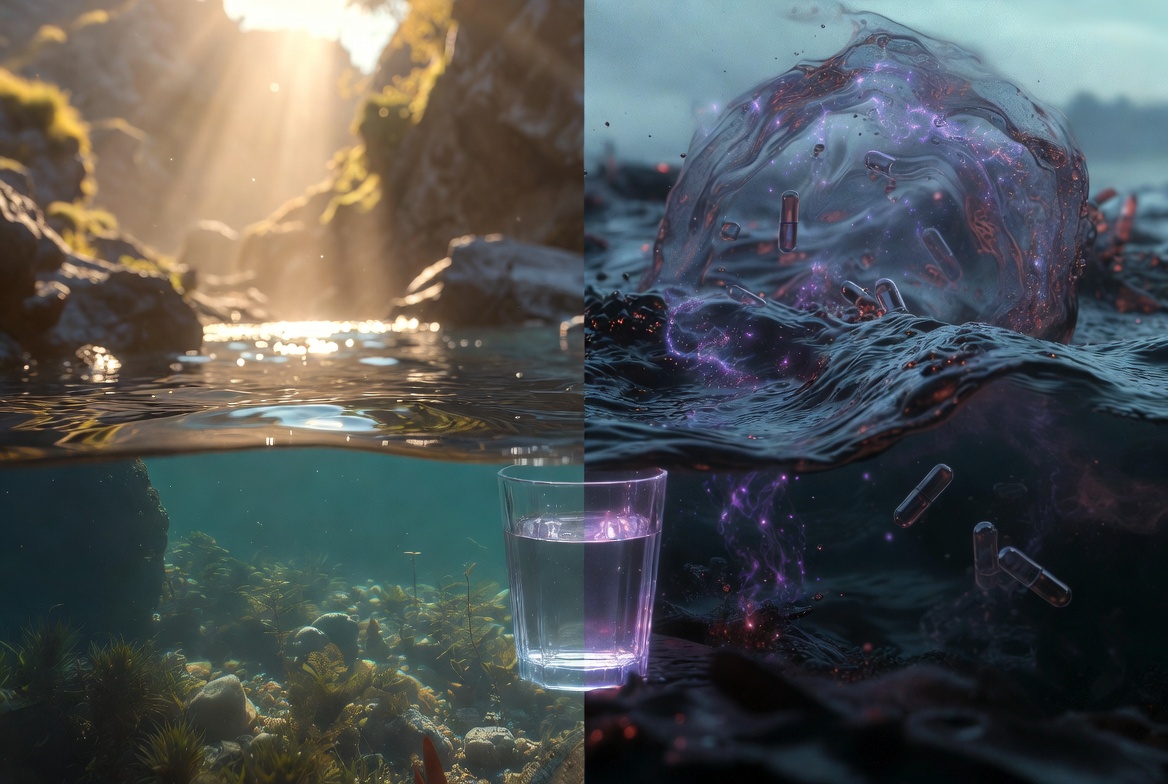
Abortion Pills in Our Tap Water: The Silent Poisoning of America’s Drinking Supply
One of the most dramatic policy changes we could make tomorrow is addressing how abortion pills are contaminating our water.
The abortion pill mifepristone and its metabolites are ending up in our drinking water. Current wastewater treatment systems do not filter them out.
A couple of years ago, Students for Life conducted important testing on water in three major U.S. cities. Their results, which will soon be published in a peer-reviewed journal, are alarming.
The Testing Challenges
According to the organization, testing was not easy. It required coordination with 30 different companies. Many labs refused once they learned what was being tested for. The team even created a shell company to move the project forward. They ultimately hired an overseas firm licensed for U.S. water testing and a separate company for sample collection. The testing lab believed the samples were for an agricultural group.
The researchers sampled water before the wastewater treatment plant, after treatment, and at the tap.
The Shocking Results
In all three cities, the study found three specific anti-progesterone metabolites that are unique to mifepristone, the abortion pill. No other drug on the market produces these exact metabolites.
These compounds were present in the tap water that people drink every day.
This means wastewater treatment plants are not removing these metabolites. Progesterone is critical for pregnancy maintenance in women and plays a key role in brain development, especially in males. Blocking it has serious implications.
How It Is Happening
When someone takes mifepristone, the drug and its active metabolites do not break down quickly. They are excreted in urine, blood, and placental tissue. Many women are instructed to sit on the toilet or in the bathtub during the process. That material enters the wastewater system, and the compounds persist for days.
We are effectively exposing the entire population to these substances through our drinking water.
Birth control hormones are also in the water. That is a separate but related problem. However, mifepristone's unique metabolites stand out.
The Human Cost
Our country faces a national infertility crisis. Young women in Gen Z frequently ask whether they will be able to get pregnant. Early miscarriages are increasingly common. If a friend were experiencing repeated early pregnancy loss, I would tell her to stop drinking tap water immediately.
Corporations have rushed into the bottled water industry for good reason. Pure, clean water should be a basic right, free and accessible. But right now, it is compromised.
This is a demonic assault on life, fertility, and the family. The short-term effects alone, increased miscarriages and fertility disruption, should be enough to demand immediate action. We do not even need long-term studies to know we must change course.
A Call to Purify Our Water and Protect Life
I am not running a water testing lab or an environmental agency. But as your representative, I will fight to address this issue head-on.
We need leaders who prioritize clean water, strong families, and the protection of the unborn and the born alike.
If you share this vision of clean water, restored fertility, and a future where children are not poisoned before they are even conceived, then on November 3rd in South Carolina, write in Clayton Cuteri for U.S. House Representative, District 1.
This problem will not fix itself. We need good people in power who will stand up for our children and our children's children. Together, we can purify this planet and leave it better for the next generation.
Write in Clayton Cuteri. Let's reclaim clean water and protect life.